Offshore Wind Energy: High Upfront Costs, Long-Term Rewards
Solar & Renewable Energy
Offshore wind energy is expanding faster than almost any other power source, yet many investors and policymakers still question its price tag. Turbines at sea are expensive and complex to build, but governments keep approving them for clear reasons rooted in performance, energy security, and economic value.
Offshore Wind Energy Produces More Power Per Turbine
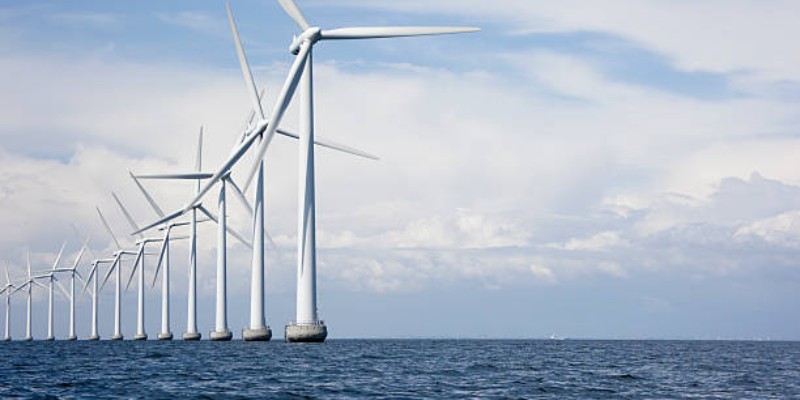
One reason offshore wind attracts investment is its higher capacity factor compared with onshore wind. Turbines at sea benefit from stronger and more consistent winds. According to the International Renewable Energy Agency's Renewable Power Generation Costs in 2024 report, offshore wind projects in Europe now achieve capacity factors of around 45–53 percent. That means they produce energy more consistently over the year than many onshore wind farms.
Higher capacity factors matter because they smooth out periods of low wind and raise average output. A single offshore turbine today can generate enough electricity annually to power tens of thousands of homes, because wind speeds over the ocean are steadier than inland. This improved productivity helps justify the higher installation costs when compared to onshore alternatives.
Global operational offshore wind capacity has climbed past 80 GW in 2025, growing about 15 percent year‑on‑year, with China and the Netherlands among the fastest growers.
The Cost of Offshore Wind Is Dropping
One reason offshore wind attracts investment is its higher capacity factor compared with onshore wind. Turbines at sea benefit from stronger and more consistent winds. The Renewable Power Generation Costs 2024 report shows that offshore wind projects in Europe now reach capacity factors of about 45 to 53 percent. That means they produce energy more consistently over the year than many onshore wind farms.
Higher capacity factors matter because they smooth out periods of low wind and raise average output. A single offshore turbine today can generate enough electricity annually to power tens of thousands of homes, because wind speeds over the ocean are steadier than inland. This improved productivity helps justify the higher installation costs when compared to onshore alternatives.
Global operational offshore wind capacity has climbed past 80 GW in 2025, growing about 15 percent year‑on‑year, with China and the Netherlands among the fastest growers.
Offshore Wind Energy Strengthens Energy Security
Energy security has become central since the 2022 geopolitical events exposed vulnerabilities in fossil fuel supply chains. Offshore wind helps reduce dependence on imported fossil fuels, especially natural gas, by producing electricity from a domestic resource.
European leaders recently pledged to expand offshore wind capacity through cross‑border cooperation, aiming to lock in 100 GW of joint capacity in the North Sea region as part of a broader clean energy pact. Projects like this aim to reduce reliance on foreign gas supplies and enhance grid resilience across nations.
Once built, offshore wind farms provide predictable operating costs that are largely immune to global fuel price swings, helping governments and utilities plan long‑term energy budgets with more confidence.
Offshore Wind Energy Creates High-Value Jobs and Local Industry
Offshore wind farms support jobs across multiple sectors, including shipbuilding, steel manufacturing, port upgrades, and marine logistics. The International Renewable Energy Agency's Renewable Energy and Jobs Annual Review 2025 reports that wind energy, including offshore, supported over 2 million jobs in Europe in 2024.
Different parts of the supply chain benefit at different stages: construction and installation create a surge in demand for specialized labor, while long‑term operations support more stable job bases in maintenance and grid integration.
Countries that focus early on offshore wind technology and manufacturing gain a global export advantage. Denmark and the UK, for example, have developed strong expertise that now positions them as equipment and service exporters worldwide.
Offshore Wind Cost Is Offset by Long Project Lifespans
Offshore wind projects are built to last, typically designed for 25 to 35 years. Many now operate beyond their original lifespan after upgrades and routine maintenance. High upfront costs are spread over decades, making the levelized cost of energy (LCOE) more competitive with fossil fuels, especially when fuel prices fluctuate.
According to IRENA’s Renewable Power Generation Costs in 2023 report, global offshore wind costs have fallen sharply. Between 2010 and 2024, the average installed cost per kilowatt dropped about 48 percent, from roughly USD 5,700/kW to USD 2,852/kW. LCOE for new projects also fell, from around USD 0.080/kWh in 2022 to USD 0.075/kWh in 2023. These improvements come from larger turbines, better supply chains, and refined installation methods.
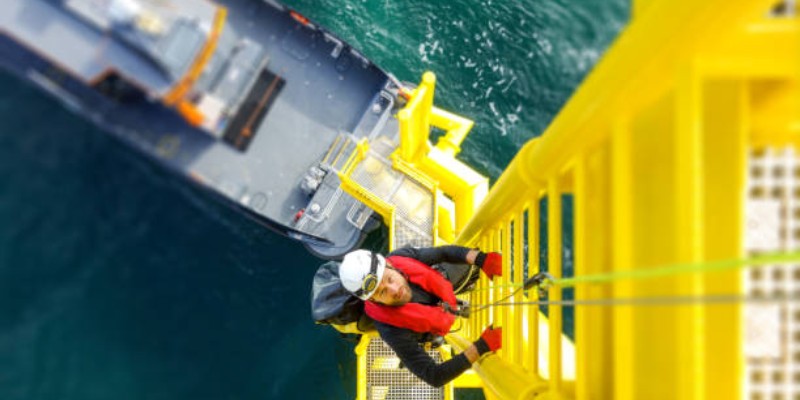
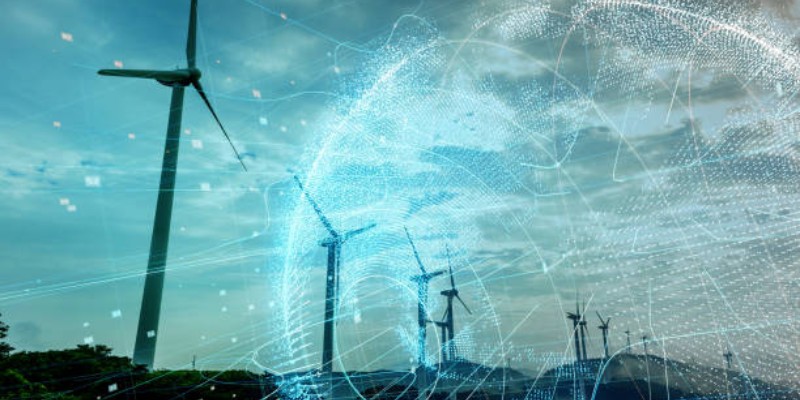
Maintenance at sea remains more expensive than on land due to weather, access challenges, and marine conditions. However, digital monitoring and predictive maintenance tools now allow operators to track turbine performance, vibration, and temperature, spotting issues before they cause downtime.
A practical takeaway for utilities and developers is to integrate maintenance planning into initial financing. Scheduling predictive maintenance during low-demand periods reduces emergency costs and grid disruption. Combined with long lifespans and high capacity factors, offshore wind is increasingly a reliable, long-term investment despite its higher upfront cost.
Offshore Wind Energy Supports Grid Stability When Paired With Storage
Wind energy at sea is not always steady. There are times when wind falls short of demand, and other times when production exceeds it. To address this, a growing number of offshore wind farms are being paired with grid‑scale battery storage and green hydrogen systems that convert excess electricity into hydrogen.
Storing wind power as hydrogen lets operators hold energy for later use. For example, during periods of low demand or high generation, excess wind energy can make hydrogen that feeds fuel cells or industrial processes. This approach improves overall system balance and grid resilience.
There are now several projects in the North Sea region integrating wind energy with hydrogen production and storage. These hybrid systems help smooth the variability of wind generation and provide a buffer that helps meet peak demand without relying on fossil backup. As storage and hydrogen infrastructure become more common, wind reliability improves without overbuilding generation capacity.
A practical takeaway for policymakers is to encourage paired storage planning early. Building storage alongside wind farms rather than retrofitting later cuts integration costs and improves system performance.
Offshore Wind Farms Help Meet Climate Targets Faster
Offshore wind energy plays a significant role in many national strategies to reduce greenhouse gas emissions. Wind farms generate electricity without burning fossil fuels, and the amount of emissions they avoid adds up quickly.
A large offshore wind farm can offset over one million tons of CO₂ emissions per year compared with coal or gas generation of the same capacity. This makes offshore wind valuable for countries with climate goals tied to specific emission reduction deadlines.
Because offshore projects can deliver high capacity in a relatively small footprint, governments can reach renewable energy targets with fewer individual installations than onshore alternatives. This matters in dense or land‑constrained regions where onshore space is limited.
For communities and planners, a useful insight is to consider cumulative climate value, not just individual project costs. Projects with longer lifespans and higher capacity factors can deliver more emission reductions over time, making them more effective tools for meeting climate pledges.
Offshore Wind Energy Attracts Long‑Term Investment Capital
Many institutional investors, such as pension funds and infrastructure funds, prefer offshore wind because of its long‑term cash flow potential. Offshore wind projects usually secure 15‑ to 25‑year power purchase agreements (PPAs) with utilities or governments. These contracts provide predictable revenue, which reduces investment risk compared with more volatile energy markets.
Predictable cash flows help offset higher development costs that occur early in the project cycle. Investors can price risk more accurately, making financing more accessible and long‑term debt easier to secure.
As renewable finance markets mature, borrowing costs for offshore wind are gradually falling. Lower interest rates improve project economics over the long term. For developers, combining stable revenue contracts with competitive financing can produce reliable returns that support ongoing operation and maintenance.
For municipalities and regional planners, knowing that offshore wind attracts stable capital can help justify large infrastructure investments. Partnerships with institutional investors can spread financial risk and bring local economic benefits.
Making Offshore Wind Energy Pay Off Over Time
Offshore wind energy is not cheap, and it will not deliver quick returns in the first few years. However, its value lies in scale, stability, and long‑term impact.
Three practical factors improve economics over time:
Falling offshore wind costs. Turbine sizes have grown, installation methods have improved, and supply chains are maturing. These trends reduce cost per unit of capacity.
Energy security benefits. Offshore wind reduces dependence on imported fossil fuels and shields electricity costs from fuel price swings.
Reliable power output. Higher capacity factors at sea mean more consistent production compared with many onshore resources.
For governments and investors focused on long‑term resilience rather than quick savings, offshore wind remains a strategic choice worth serious consideration. Building robust maintenance plans, pairing wind with storage, and securing long‑term contracts help projects deliver value over decades, not just years.
Share this article:
Recommended For You



ADVERTISEMENT